Student Project | Mobile Application | 2026
Turn invisible impact into visible progress
Watch your plant grow with every choice you make
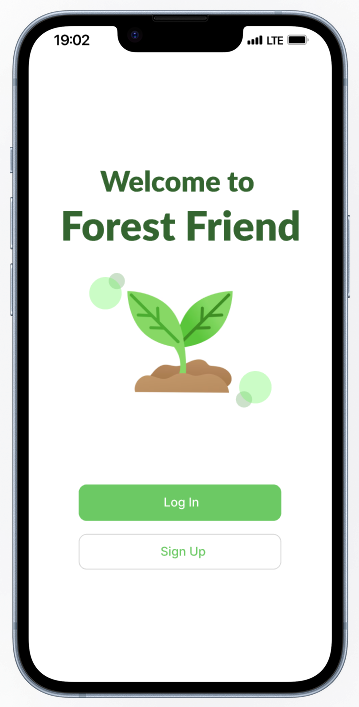
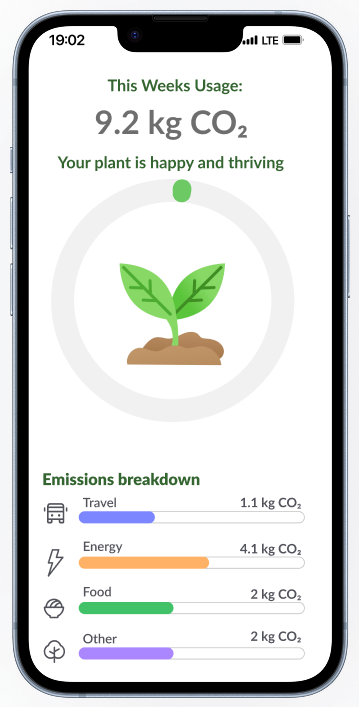
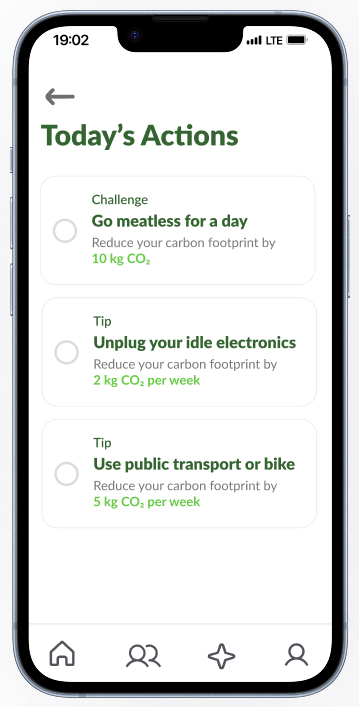
Forest Friend is a mobile app that turns sustainable daily actions into care for a digital plant.
Role
UX Designer
Tools & Skills
User Research, Figma, FigJam, Prototyping
Duration
3 weeks
Overview
Sustainability is easy to intend, hard to track
Many people want to live more sustainably, but carbon emissions feel abstract, difficult to measure, and easy to ignore. Even when users are aware of sustainable practices, they often lack daily accountability, positive reinforcement, and simple tools to track their impact.
Forest Friend turns carbon tracking into a visual, emotionally engaging experience, helping users reduce emissions through consistent reflection and eco-aware choices.
Discover
How might we help people translate awareness of sustainability into consistent daily action?
I interviewed about 6 different students and received 21 Google Form responses.
57%
described themselves as only "slightly aware" of their environmental impact.
81%
said seeing a daily/weekly CO₂ score and visual change would motivate them
48%
preferred gamified feedback over dashboards or plain summaries.
62%
wanted tips on how to lower their footprint and direct examples of how to do it.
These findings drove three decisions: the CO₂ score anchors the Living Dashboard, tips became a standalone feature, and gamification became core mechanics, not decoration.
Design & Development
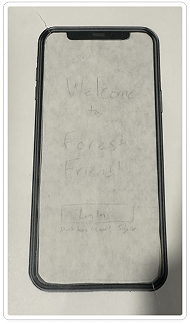
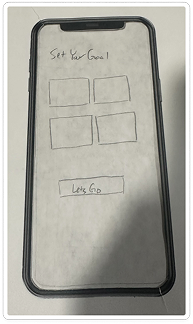
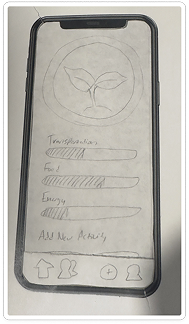
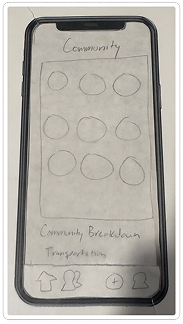
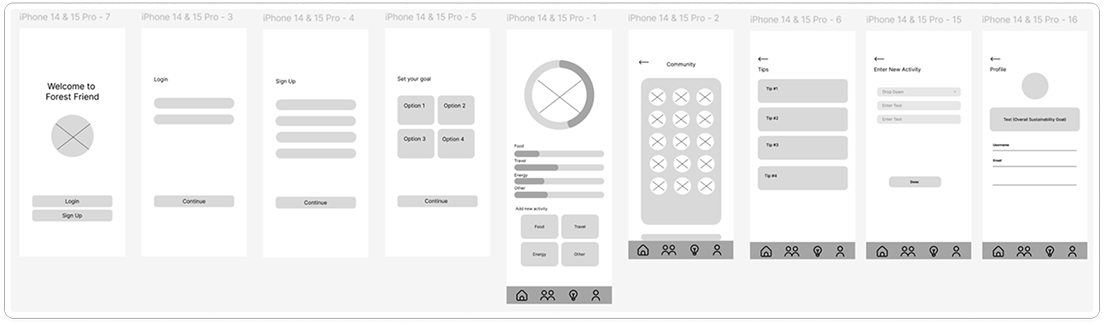
Lo-Fi Sketches to Mid-Fi Wireframes
Created paper prototypes first to test flow and hierarchy, then mid-fidelity screens to user test navigation
Color Palette & Logo

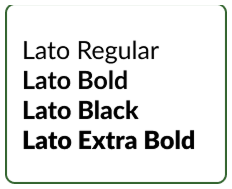
Font Used
Logo
Solution
Forest Friend — see the change you make
The goal of Forest Friend is to make environmental impact visible and actionable through gamification. It aims to help users understand their daily habits, like travel and food choices, through simple visuals, empowering them to make sustainable changes that keep their digital ecosystem thriving.
The Living Dashboard (Visual Impact)
Environmental data is represented by a digital plant mascot and a circular, animated progress bar that surrounds your plant, giving users immediate "glanceable" feedback.
Categorized Emissions Breakdown
Specific tracking for Travel, Energy, and Food with color-coded progress bars to show users exactly which lifestyle area needs the most adjustment.
Community Garden
Allows users to join with friends, schools, or local organizations to visualize their shared progress.
Actionable Steps
Provides users with challenges and goals to achieve to increase their progress and impact.
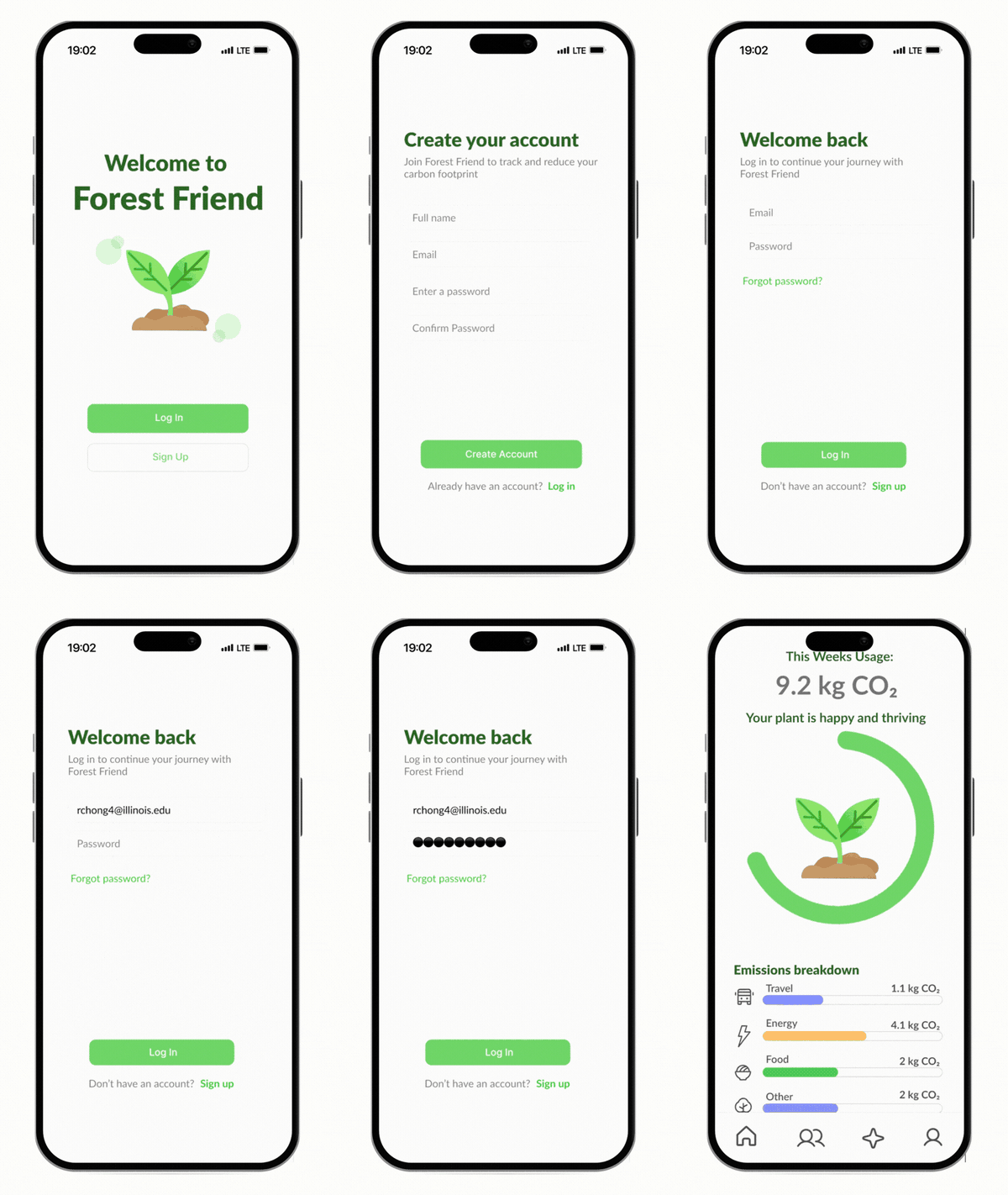
Click through to see each screen in action!
Takeaways
What building this taught me
Building Forest Friend from the ground up taught me that UX design is less about aesthetic choices and more about strategic problem-solving by conducting my own research and user interviews. This project sharpened my ability to translate complex data into “glanceable” visual hierarchies and taught me how to manage a project’s lifecycle, from identifying a core pain point to designing a scalable, community-driven solution.
If I had more time, I would have conducted a second round of usability testing specifically on the “Community Garden” flow, to see if users felt motivated or pressured by the social features.